

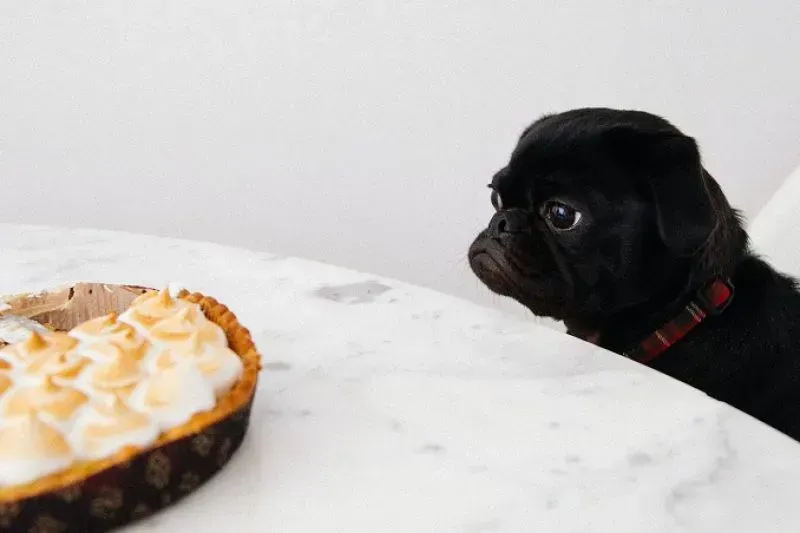

“People Foods” To Avoid Feeding Our Fluffy Friends

Stay informed with expert articles and guidance from Ambassador Animal Hospital, Greenville’s locally owned veterinary provider. Discover answers to common pet health questions, learn about advanced care options, and support your furry family’s lifelong well-being.

June 6, 2026

6

Savor Life’s Simple Pleasures.

I want to make an effort to slow down, reflect, and spend more time on the simple pursuits that brought me such joy as a kitten. Unspooling an entire roll of toilet paper. Playing with boxes. These are the delights of youth that I miss the most.

  1. Chocolate – this is commonly known as a no-no for Fido. It contains caffeine and theobromine, which are both mild stimulants to us. For a dog or cat, small amounts of chocolate can cause vomiting and diarrhea, while larger amounts can cause seizures, heart issues, and even death. The more concentrated the chocolate, the more harmful. So, a bit of chocolate chip muffin may just cause some diarrhea, while a square of baker’s chocolate may land your pet in the hospital.  To be on the safe side, avoid feeding any amount of chocolate to your pet.
  2. Coffee, Tea – similar to chocolate, but less likely to be fed on purpose. If your pet gets into your morning cup of joe, please contact your veterinarian.
  3. Grapes and Raisins – in some dogs, eating a grape or raisin causes acute kidney failure. This reaction is idiosyncratic, meaning you can’t tell if your pet will be affected. Some pets get into grapes and are fine, and some get into grapes and go into kidney failure. Since you can’t know until after the exposure, it’s better to NEVER tempt fate and try them out on your pet.
  4. Onions and Garlic – these flavorful additives can cause gastrointestinal irritation and can cause damage to red blood cells, leading to anemia. Although cats are more susceptible, dogs are also at risk when exposed daily.
  5. Xylitol – typically found in sugar-free gum, which smells delicious hiding in your purse. This sweetener can also be found in candies, goodies, and even toothpaste. It can cause anything from low blood sugar to tremors, to liver failure! Be sure to keep this sweetener out of reach.
  6. Raw Meats – while the raw diet craze can be popular with some, the risk of exposing your pet to Salmonella and E. coli in raw meats is real and dangerous. Feeding raw also risks exposing yourself to these infectious bacteria through handling, and re-infection from your pet (who doesn’t like doggie kisses). We understand the love people have for feeding fresh foods to their beloved pets, but for your safety and theirs, we just ask that meats be cooked before feeding.
  7. Salt – our family pets aren’t designed to handle large amounts of salt. Too much salt causes vomiting, diarrhea, and even seizures. Be sure to select sodium-free options when looking for additives to your pet’s food, such as sodium-free chicken broth, or sodium-free green beans. Also, be mindful not to overdo the pretzels or chips.
  8. Alcohol – alcoholic beverages should never be given to our pets. Alcohol causes drops in blood pressure, blood sugar, and body temperature. Symptoms of alcohol toxicity include vomiting, diarrhea, difficulty breathing, coma, and death.
  9. High Fat Foods – such as bacon, other pork products, and pan drippings. Many dogs and cats are extremely sensitive to high-fat meals, and getting fed special table scraps can lead to pancreatitis. Pancreatitis is characterized by not eating, acting lethargic, vomiting, and diarrhea.


We know you love your pets dearly, and who can resist their sweet little begging faces! But please keep this list in mind, and avoid feeding these common food items to your family furball. Of course, accidents happen. If your pet is exposed to a toxic food, such as one from this list, contact your family veterinarian, OR the ASPCA Animal Poison Control Hotline at (888) 426-4435.

White puppy meeting larger dog on grass with title “Socializing Your Puppy”
June 6, 2026
Understand puppy socialization for a confident dog. Follow our expert tips for success. Contact Ambassador Animal Hospital for guidance.
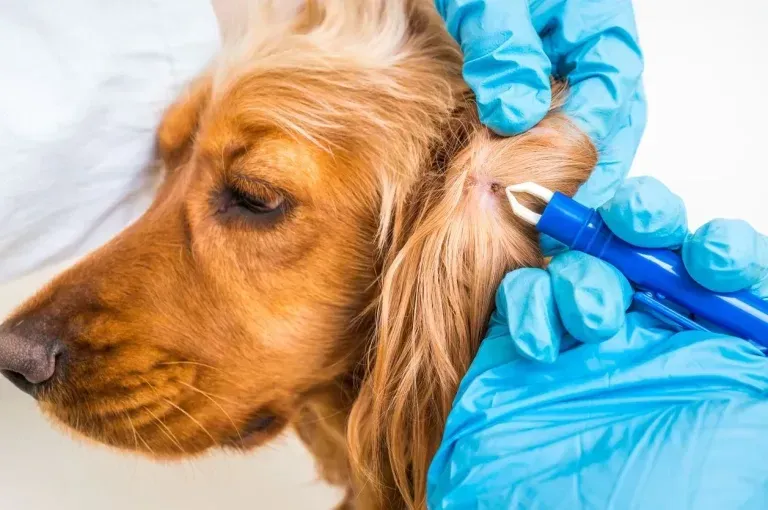
Veterinarian cleaning a dog’s ear with a blue swab while wearing blue gloves
June 6, 2026
Understand tick dangers & prevention for pets. Protect your dogs & cats from Lyme disease year-round. Contact us for guidance!
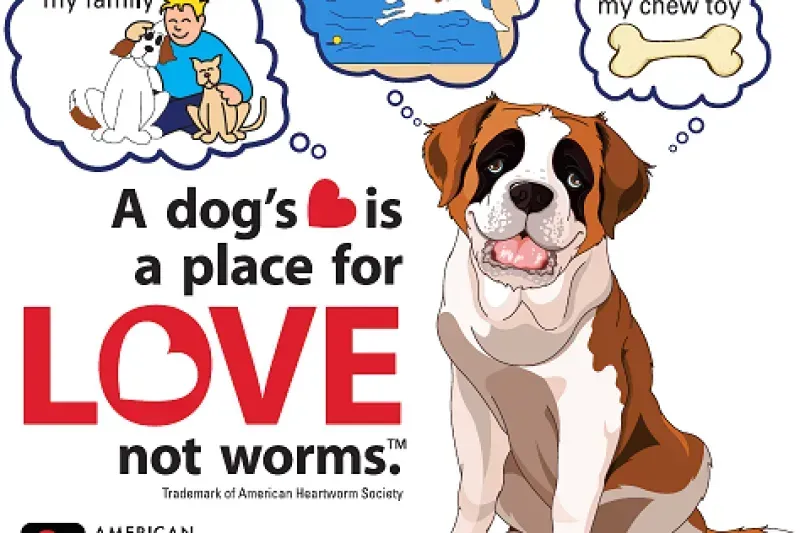
Brown-and-white dog beside text: “A dog’s a place for LOVE, not worms.”
June 6, 2026
Understand heartworms in pets & the importance of prevention. Contact us for expert veterinary care today!
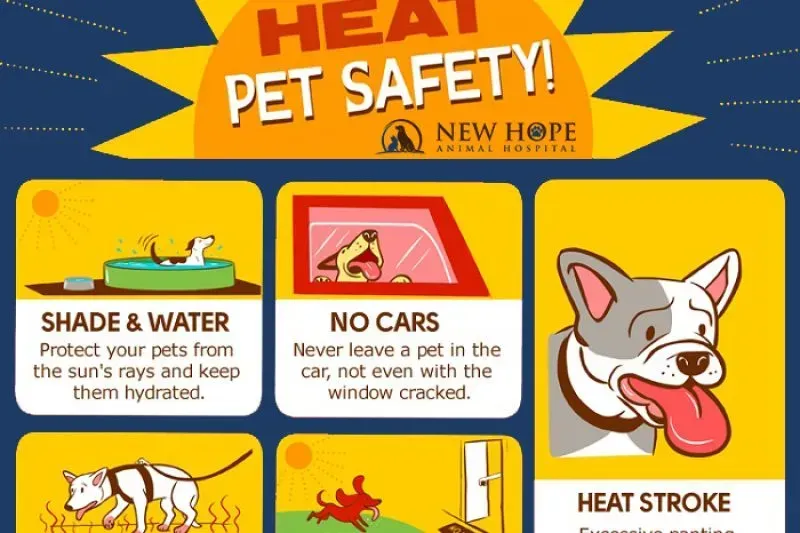
Pet safety poster: keep pets cool, shaded, watered, and never leave them in cars.
June 6, 2026
Learn essential summer precautions for pets. Keep them hydrated & safe from heat. Contact us for expert veterinary care!

Golden retriever wearing a teal bandana sitting by pumpkins on a porch in autumn
June 6, 2026
Keep your pets safe this Halloween with tips on costumes, treats, & creating a calm space. Ensure a happy holiday for your furry friends!
French bulldog in a harness looking up in an office with a computer monitor in the background
June 6, 2026
Understand the dangers of chocolate for pets. Recognize symptoms & seek help immediately if ingestion occurs. Protect your furry friends!
Fluffy gray cat wrapped in a bright rainbow cloth, looking upward against a colorful blurred background
June 6, 2026
Explore 8 innovative cat gadgets that simplify pet care. Keep your cat engaged & happy with tech-savvy solutions. Contact us for more info!

Gray tabby cat lying in green grass, looking at the camera.
June 6, 2026
Identify & treat feline acne (follicular keratosis) effectively. Contact us for expert veterinary care for your cat.

Two dogs play tug-of-war with a tennis ball on grass.
June 6, 2026
Understand dog aggression signs to prevent bites. Learn how to keep your family safe with expert tips. Visit us for more guidance.
Small ginger kitten walking through grass and fallen leaves in a garden
June 6, 2026
Learn why cats eat houseplants & how to keep them safe. Contact us for expert veterinary care for your pets!