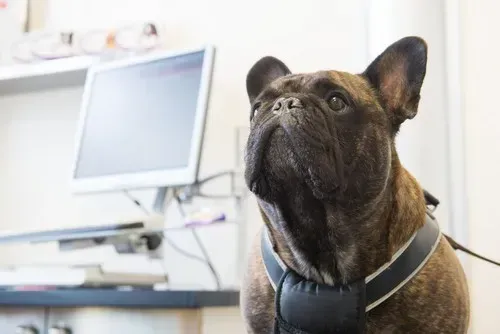
A home with a dog is a happier home. Dogs can decrease stress, improve our fitness, make us more playful, and elevate our moods. But dog owners know that a dog can get into trouble and mischief at times. In extreme cases, a gentle dog can turn aggressive.
According to the Centers for Disease Control,
4.5 million people are bitten by dogs every year in the US. Of those, 20% require medical attention. Half of these
dog bites happen to children between the ages of 5 and 9. Most dog bites occur at home by dogs who know us. Having a dog increases the chances of being bitten, by either your own or another dog—the more dogs in a household, the higher the risk.
How to Reduce the Likelihood of a Dog Bite
We owe it to ourselves and others who encounter our dogs, as well as our four-legged friends themselves, to know the signs and risks that can lead to a dog bite, and how to minimize the danger. And we all need to be armed with a working knowledge of how to intervene should a dog bite occur, with our own dog or someone else’s. A dog bite not only hurts, but can cause serious injury, and can sometimes lead to
illness or infection. Here are the best ways to keep yourself, your family, and your guests safe from dog bites:
Know the Signs
Everyone knows that a dog that is snarling and snapping, or baring its teeth, with its ears flat against its head is thinking about biting. However, there are other, more subtle signs that a
dog feels anxiety
and may bite that most people don’t know. For example, if your dog is yawning and licking his chops a lot, or if her whole body is rigid except for a slowly wagging tail, a bite might be on the horizon. (That’s right. A wagging tail can precede a bite!) The key is to look at the dog’s entire body, since dogs use their whole body to communicate, not just their tails. A happy, relaxed dog is loose rather than tense, wagging its body and wriggling along with its tail, or resting comfortably curled up or splayed out. Dogs that have their bodies curled up but seem to be alert and on edge are feeling threatened and may bite. Other signs that a dog is uncomfortable include raised fur, a refusal to make any eye contact, showing the whites of the eyes, and shaking or shuddering after being pet.
Watch Your Own Body Language
Not only do our pups communicate with us with specific body language, but they are adept at
reading much human body language
as well. There are postures and gestures that we strike that can unknowingly communicate dominance or aggression to a dog and make him uneasy and on the defensive. Avoiding things such as prolonged, direct eye contact, rough play, and grabbing your dog’s head while petting can go a long way to reducing the risk of bite.
Be Careful With Unfamiliar Dogs
Never assume that an unfamiliar dog wishes you to pet her. Ask her owner’s permission first, and then approach gently, avoiding initial eye contact. Let her get a good whiff of your scent by slowly extending your hand. Be calm and relaxed, but confident. And of course, do not disturb a dog in the midst of sleeping, eating, or caring for her puppies.
Remain Calm. Never Run or Swat.
If an unfamiliar dog initiates contact with you, be still and calm and don’t shout out or make other loud noises. Encourage him to move along by saying in a calm but assertive voice, “Go home” Or “No” while becoming a tree, with your hands by your sides. This stationary posture will reduce the dog’s excitement almost immediately. If he is rowdy or aggressive and knocks you down, curl into a ball and protect your head and neck area. Never run. Report any stray dogs you notice in your area to the local animal control facility.
As for your own sweet pooch, never encourage rough and aggressive play. Respect others’ space and do not allow your dog to approach or jump on people. Do not knowingly put your dog in situations that cause him stress, and always have your dog on lead in public areas.
Take Extra Precautions with Children
Dogs bite children more often, because they are more vulnerable and often don’t understand
how to respect a dog’s personal space
or know warning signs that he is not comfortable. Plus, since children are smaller and not as able to fend off an aggressive canine, their injuries can be worse than those of adults and are more likely to injure the head and neck area. Always keep a close eye on your children around dogs, even your beloved family pooch. Never leave a child unattended with a dog. As your child matures, help her know how to behave carefully and wisely with dogs.
So, What Do If My Dog Bites Someone?
As we have already acknowledged, any dog has the potential to go Mr. Hyde and bite a human, even when we do everything right. If you ever find yourself in a situation where your dog has bitten another person, there are some important guidelines to follow.
First, remain calm and immediately separate your dog from the victim—securing your dog as best you can. Stay calm with your dog. This is not the time to show anger at him—you need to encourage him to be calm. Assure the victim is ok and seek emergency medical attention if needed. Apologize for your dog’s behavior and assure him or her that you have secured your dog and there is no more risk. Give everyone involved a few minutes to catch their breath and cool off. When you have time, take notes, documenting exactly what happened as best you can. You may need these facts later. And if your dog is not up on vaccinations, it may be necessary to report the bite to local animal control or police.
If you have questions about legal issues surrounding dog bites, you can read more
here.
How Do I Treat a Bite?
Most importantly, for a deep wound, apply pressure to try to stop bleeding and call 911 ASAP. For minor wounds, wash with warm, soapy water and apply antibiotic cream. Cover with a clean bandage. It is never a bad idea to follow up with your doctor to be on the safe side. And if it’s been a while since your last Tetanus shot, you may need one!
If you know the owner, contact him or her (If they are not present at the time of the incident) and find out if the dog is up to date on vaccines. If the answer is no, the bite must be reported and necessary precautions taken. The same is true if you are bitten by a stray with an unknown health record.
We hope neither you nor your beloved canine find yourself in any of the above situations. It is especially alarming and upsetting when our trusted pet bites us or someone else. If it does, do not assume you have a “bad doggie” on your hands.
Call Ambassador Animal
Hospital for an immediate appointment.
There are many circumstances that can lead an otherwise docile and friendly dog to express aggression. With a thorough exam and review of the situation, we can help determine if the cause is health related, or if there is something that needs to be evaluated and adjusted in the dog’s behavior, routine, or environment. Together, we can work to address and correct any underlying factors that may have contributed to the incident.